
Best Time of Day to Get Married
Best Time of Day to Get Married (A Natural Light Guide)
When it comes to wedding photography, light matters more than almost anything else — more than the venue, the décor, or even the weather. The time of day you choose for your ceremony has a direct impact on how your photos look and how your day feels.
This guide is here to help you understand how natural light works so you can make confident, informed decisions without needing to become an expert yourself.
Why Ceremony Timing Matters So Much
Natural light changes throughout the day, and each phase creates a very different look and experience.
- Soft, flattering light versus harsh contrast
- Comfortable temperatures versus intense heat
- Relaxed pacing versus rushed timelines
When ceremony timing works with the light instead of against it, everything flows more naturally — including your photos.
Ceremony Timing vs Sunset (The Golden Rule)
The single most important factor to consider when choosing your ceremony time is sunset.
The Ideal Scenario
For outdoor ceremonies, the most flattering light typically happens
- 1.5–2.5 hours before sunset.
This allows for:
- Softer, directional light during the ceremony
- More flattering skin tones
- Time afterward for couple portraits during golden hour.
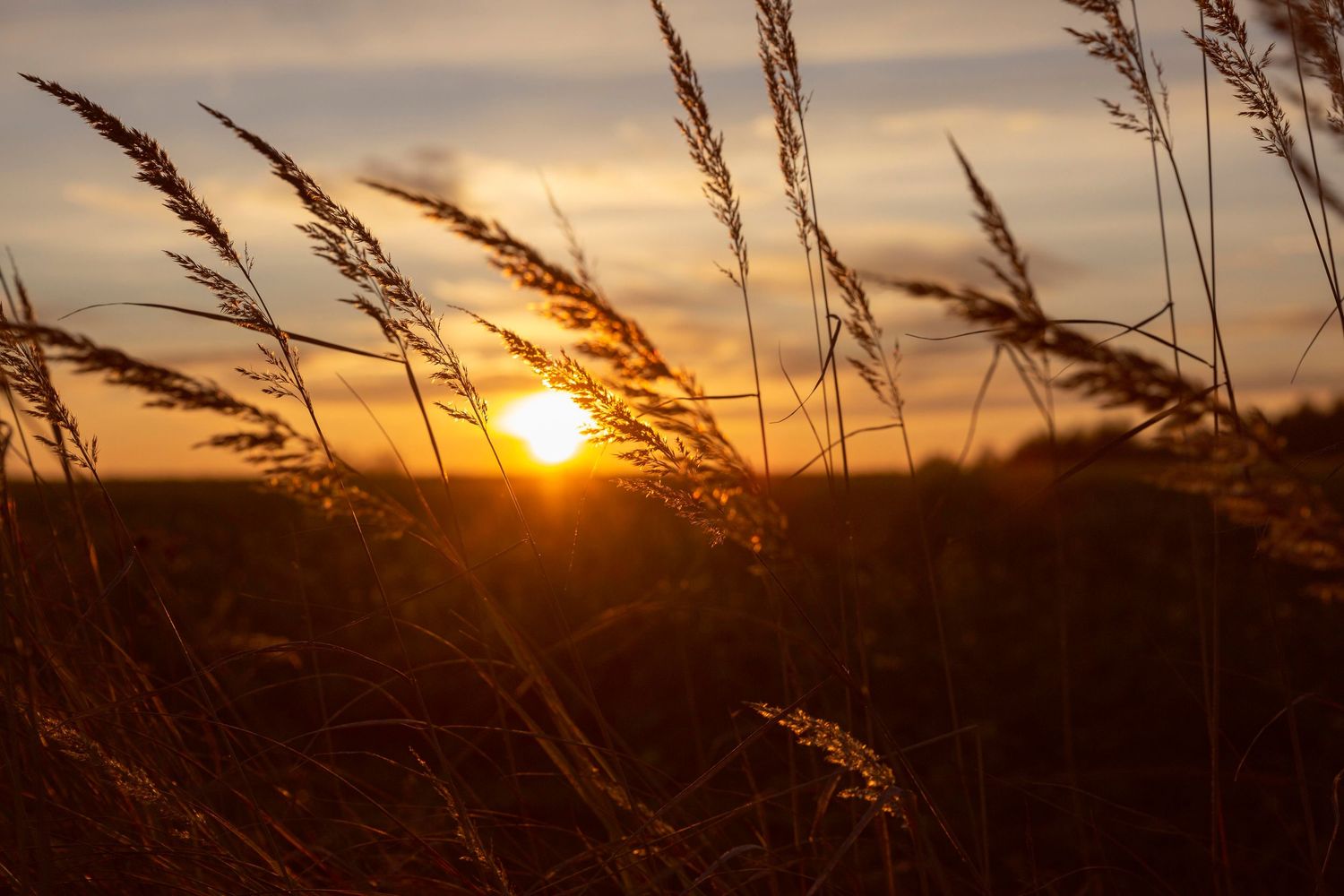
Golden hour — the hour before sunset — creates warm, glowy, romantic images that most couples fall in love with.
Why Midday Light Is the Most Challenging
Midday light (roughly 11:30am–2:30pm) is often the hardest to photograph, especially outdoors.
What Happens at Midday:
- The sun is directly overhead
- Shadows fall straight down into eyes
- Contrast is high and unforgiving
- Squinting becomes unavoidable
This doesn’t mean midday weddings can’t be beautiful — but they often require more planning, more shade, or indoor options to avoid harsh results.
Winter vs Summer Weddings in Merced
Merced’s seasonal light and temperatures play a big role in timeline planning.
Summer Weddings (Late Spring–Early Fall)
- Sunset is later (often 7:30–8:30pm)
- Midday heat can be intense
- Early afternoon ceremonies are usually the hottest and brightest
Best approach:
- Late afternoon or early evening ceremony
- Build shade into outdoor plans
- Plan couple portraits close to sunset
Winter Weddings (Late Fall–Early Spring)
- Sunset is earlier (around 4:30–5:30pm)
- Light is softer throughout the day
- Temperatures are cooler and more comfortable
Best approach:
- Earlier ceremonies work beautifully
- Portraits can happen well before the ceremony
- Timelines need to account for limited daylight
Outdoor vs Indoor Ceremonies
Outdoor Ceremonies
Outdoor weddings are most affected by timing and sun direction.
Things to consider:
- Is there natural shade at the ceremony site?
- Where will the sun be positioned during the ceremony?
- Is there a backup plan if the light is harsh?
- Whenever possible, outdoor ceremonies benefit from:
- Later start times
- Partial or full shade
Sun setting behind guests rather than directly overhead
Indoor Ceremonies
Indoor ceremonies offer more flexibility, but light still matters.
Key factors:
- Window placement
- Ceiling height
- Type of artificial lighting
Venues with large windows and neutral walls photograph beautifully at almost any time of day. Dim or mixed lighting spaces may require additional considerations to maintain a natural look.
A Simple Rule of Thumb
If you’re unsure where to start, choose your ceremony time based on sunset first, then build the rest of the day around it.
This single decision often solves multiple timeline challenges.
How This Affects the Flow of Your Day
When ceremony timing aligns with natural light, portraits feel relaxed instead of rushed, you spend less time hiding from the sun or heat, your day naturally slows down, and your photos look consistent and timeless.
Good light supports a better experience, not just better images.
Final Thoughts
There is no single perfect ceremony time, but there is a best time for your wedding day based on season, location, and priorities.
Part of my role is helping you navigate these decisions so your day feels calm, intentional, and beautifully documented. With thoughtful planning and the right timing, everything else falls into place.
Your final photography timeline will always be customized around your ceremony time, venue, and season to make the most of available light.